Do you dread going out every year in September because you’re afraid of the constant sneezing it could possibly bring? Well, you're not alone.
Just when the worst of the summer heat starts to ease up, ragweed season swoops in to remind you that allergy sufferers in Texas don't get much of a break. The weather could be nice and warm, but you might already have gone through a box of tissues before lunch, and you know what it is, from experience – Ragweed pollen!
September is
Texas’ allergy season. It is when ragweed pollen peaks. This blog explains why that happens, what seasonal allergy symptoms to watch for, and what you can do about September ragweed allergy symptoms.
If the seasonal allergy symptoms are severe, schedule an appointment with Premier Allergy Texas for an evaluation as soon as possible. Our team is determined to keep you healthy this ragweed season.
Why Is September Peak Ragweed Season?
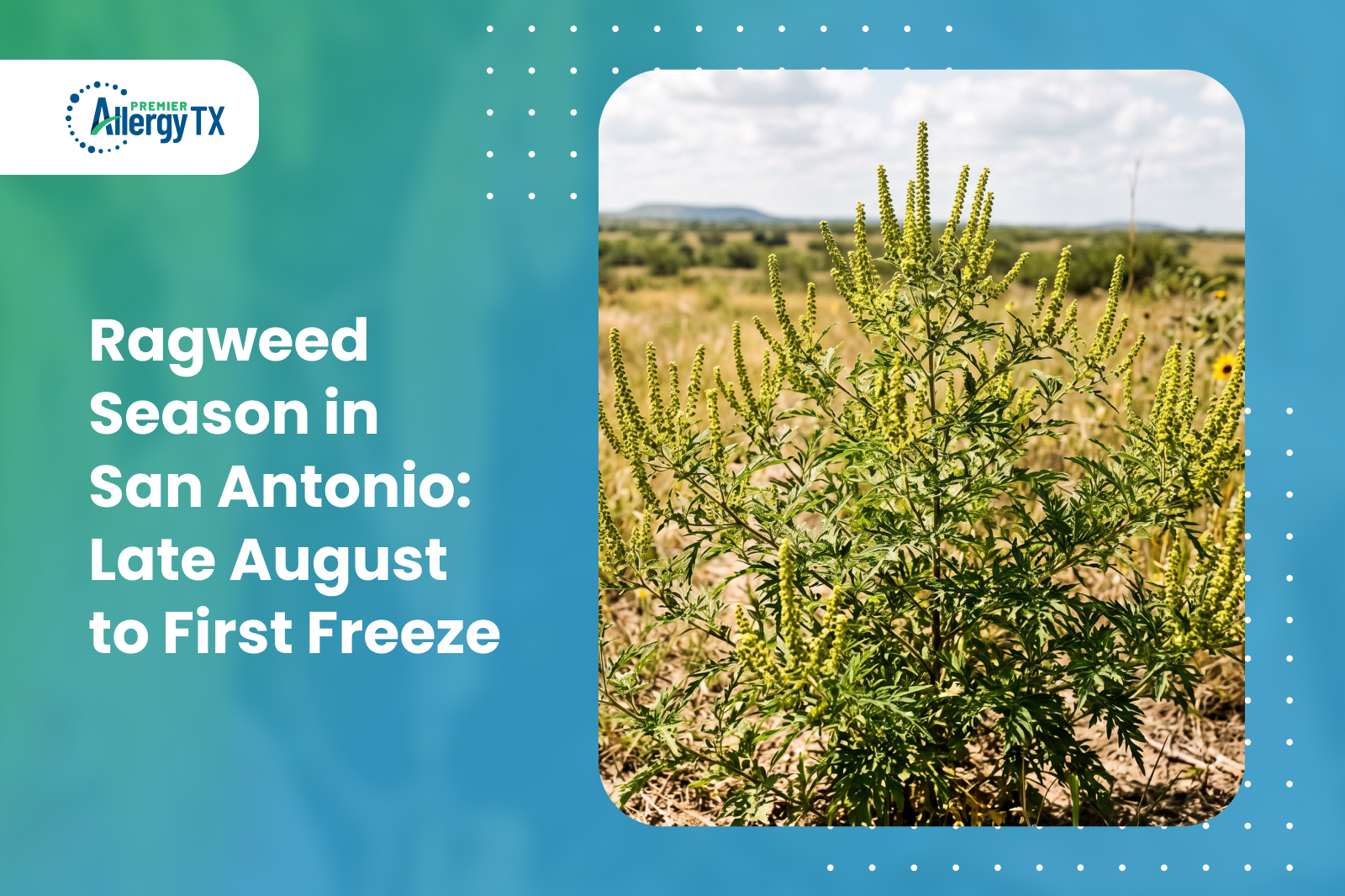
Ragweed usually begins producing pollen in mid-August. By September, ragweed plants are producing pollen on a large scale. One ragweed plant can produce up to
1 billion pollen grains.
Why does ragweed pollen production rise suddenly in September?
- Change in Temperature
The fall in temperature at night acts as the plant’s cue that fall is coming, and it needs to reproduce faster.
- Wide Geographic Spread
Ragweed grows all across Texas. So that naturally means more pollen coming a Texan’s way.
- Pollen Timings
Peak pollen production hours are around 10 am to 3 pm, when most people are outside working or taking in the summer sun.
Common Symptoms During Peak Ragweed Season
Ragweed allergy symptoms tend to mimic a cold. Sometimes it is easy to mistake seasonal allergy symptoms for a cold.
The key giveaway that it's allergies and not a cold? Duration. A cold usually clears up in 7–10 days. Ragweed allergies can drag on for weeks, sometimes lasting well into October or even November in parts of Texas, depending on when the
first hard frost arrives.
A few symptoms include:
- Sneezing
- Runny nose
- Nasal congestion
- Headaches
- Irritated eyes
- Itchy throat
If someone has asthma, ragweed pollen can also aggravate
asthma symptoms, leading to increased coughing and wheezing.
Why Are Ragweed Allergy Symptoms Worse on Windy Days?
Ragweed pollen is lightweight and specifically built to travel by wind, sometimes hundreds of miles. On calm days, pollen tends to settle closer to the ground and is more localized. But on windy days, that pollen gets kicked up, carried across neighborhoods, and dispersed in higher concentrations through the air you're breathing.
Texas and winds go hand in hand. As cold fronts begin to push through in September, each gust of air can stir up fresh clouds of pollen.
Ironically, a beautiful, breezy fall day, the kind that makes you want to open your windows or sit outside, can often prove to be the worst possible day for your sinuses.
Rain, on the other hand, tends to temporarily knock pollen out of the air, which is why allergies often feel better right after a good rainstorm, before pollen count rebounds in a day or two.
How to Reduce Daily Pollen Exposure
Ragweed allergy tends to be worse in the Eastern and Midwestern U.S., including Texas. You can't control the weather or make ragweed pollen disappear, but you can make some
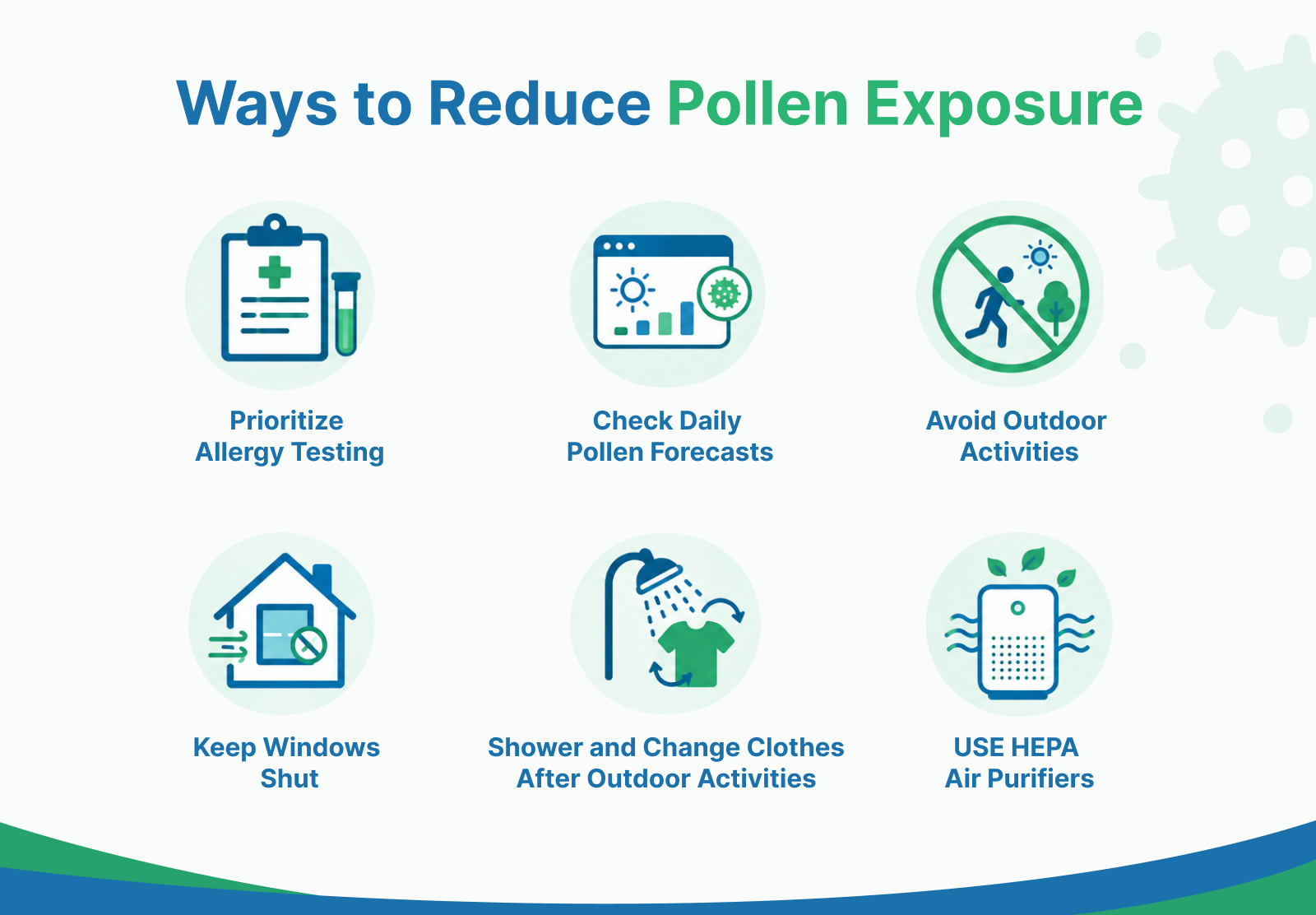
smart adjustments to reduce how much pollen you're exposed to each day:
- Prioritize allergy testing
Allergy testing helps you better understand your allergy triggers and allows providers to plan your treatment accordingly. Contact Premier Allergy Texas to schedule an appointment for allergy testing before the allergy season starts.
- Check daily pollen forecasts.
Many local weather apps and allergy-tracking websites provide daily pollen counts specific to Texas cities. Use this to plan outdoor activities during low-pollen periods.
- Avoid outdoor activities during peak hours.
Limit outdoor exercise or yard work between 10 a.m. and 2 p.m., when ragweed pollen tends to be at its highest.
- Keep windows closed.
As tempting as it is to enjoy the cooler September air, keeping windows shut (and running the AC with a good filter) keeps outdoor pollen from turning your living room into an allergy zone.
- Shower and change clothes after being outside.
Pollen loves to cling to hair, skin, and clothing. A quick rinse after yard work or a walk can make a big difference.
- Use a HEPA air purifier indoors.
This helps filter out pollen that sneaks in through doors, vents, or on your clothes.
- Wash bedding regularly.
Pollen can settle on sheets and pillowcases, especially if you've been outside and then hopped straight into bed.
- Wear sunglasses outdoors.
It sounds minor, but it helps keep pollen out of your eyes, reducing that itchy, watery feeling.
None of these will eliminate ragweed exposure completely, but together they can reduce allergy symptoms. Check out our latest post on the
ten most frequent allergy triggers affecting San Antonio residents. You can also find
tips to prepare for allergy season here.
Best Treatment Options for Ragweed Allergies
There are both
over-the-counter (OTC) and prescription medications for allergies. Some of them are:
- Antihistamines
This type of medication blocks the chemicals your body produces in response to an allergy. This can reduce allergy symptoms.
- Nasal corticosteroids
These nasal sprays reduce inflammation and congestion.
- Leukotriene inhibitors
These medications block chemicals your body releases during an allergic reaction.
- Decongestants
This medication helps shrink your nasal passages and relieves congestion and a runny nose.
- Antihistamine/decongestant
This combines both an antihistamine and a decongestant.
- Cromolyn sodium
This nasal spray blocks chemicals that cause allergic reactions.
- Immunotherapy
Premier Allergy Texas strongly recommends
allergy shots, which help your body build resistance to allergens and provide long-term relief from ragweed allergy symptoms.
Discuss the side effects and risks of allergy medications with your healthcare provider.
Is Allergy Immunotherapy Right for You?
Immunotherapy, or allergy shots, is an almost century-old method for treating allergy symptoms. Allergy shots can lead to lasting remission of allergy symptoms and may help prevent the development of asthma and new allergies.
For most people, allergy shots are usually safe. But allergy shots contain tiny amounts of allergens. If you have an allergic reaction to an allergy shot, your allergist will quickly give you medicine to stop it.
Talk to the professionals at Premier Allergy Texas to determine the right treatment plan for you.
When to Schedule an Allergy Test
If you have allergy symptoms like those discussed above, consider allergy testing to help determine the best treatment.
Conclusion
Living with ragweed allergy symptoms can be bothersome and can take the joy out of your life. But you do not have to live like that. Taking the right precautions during ragweed allergy season can significantly reduce your allergy symptoms.
Consult Premier Allergy Texas for allergy testing. Get yourself tested and receive the right treatment from our professionals.
Frequently Asked Questions
How much do allergy shots cost?
Allergy shots can cost between 1,000 and 5,000 USD per year, depending on your healthcare provider. Make sure you get allergy testing beforehand.
How long will it take for me to feel better?
Everyone’s body responds differently. Some people may notice their symptoms improving six to eight months into the buildup phase. Others may need up to 12 months to notice a noticeable improvement.
When should I call a healthcare provider?
You should contact your healthcare provider in the following cases:
- Do you have any reactions or symptoms following your injections?
- You need to reschedule your appointment.
- Do you have any questions or concerns?
Premier Allergy Texas is always available to help you get through allergy season.