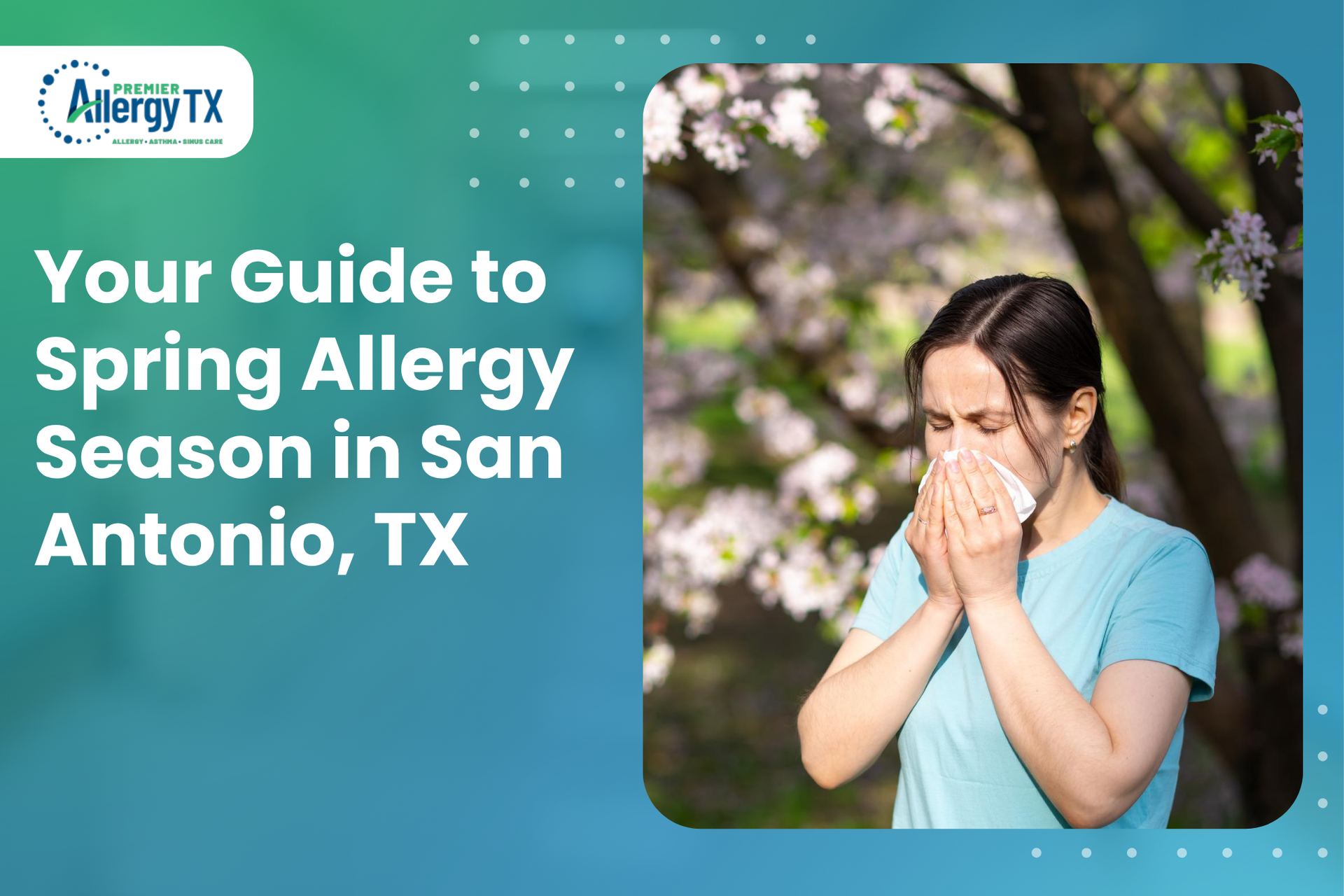
Spring in Texas is beautiful, but if you suffer from seasonal allergies, it can also be absolutely brutal. Between blooming trees, rising pollen counts, and unpredictable weather swings, spring is the peak season for sneezing, congestion, and itchy eyes across the state.
The good news? Knowing what's coming and having a plan makes all the difference. Here's everything Texas patients need to know about the spring allergy season this year.
Why Spring Triggers Allergies
Every spring, trees and grasses release microscopic pollen particles into the air as part of their reproduction cycle. For the roughly 1 in 3 Americans affected by seasonal allergies, these particles are treated by the immune system as a threat, triggering the release of histamine and causing the familiar cascade of allergy symptoms.
In Texas, the spring allergy season is particularly aggressive for two reasons: the sheer diversity of allergy-triggering plants and the extended warm season that keeps pollen counts elevated for longer. If you've lived here long enough, you already know, Texas doesn't do mild allergy seasons.
For a full picture of what you're up against year-round, see our guide on all you need to know about Texas's allergy season.
Common Spring Allergy Symptoms
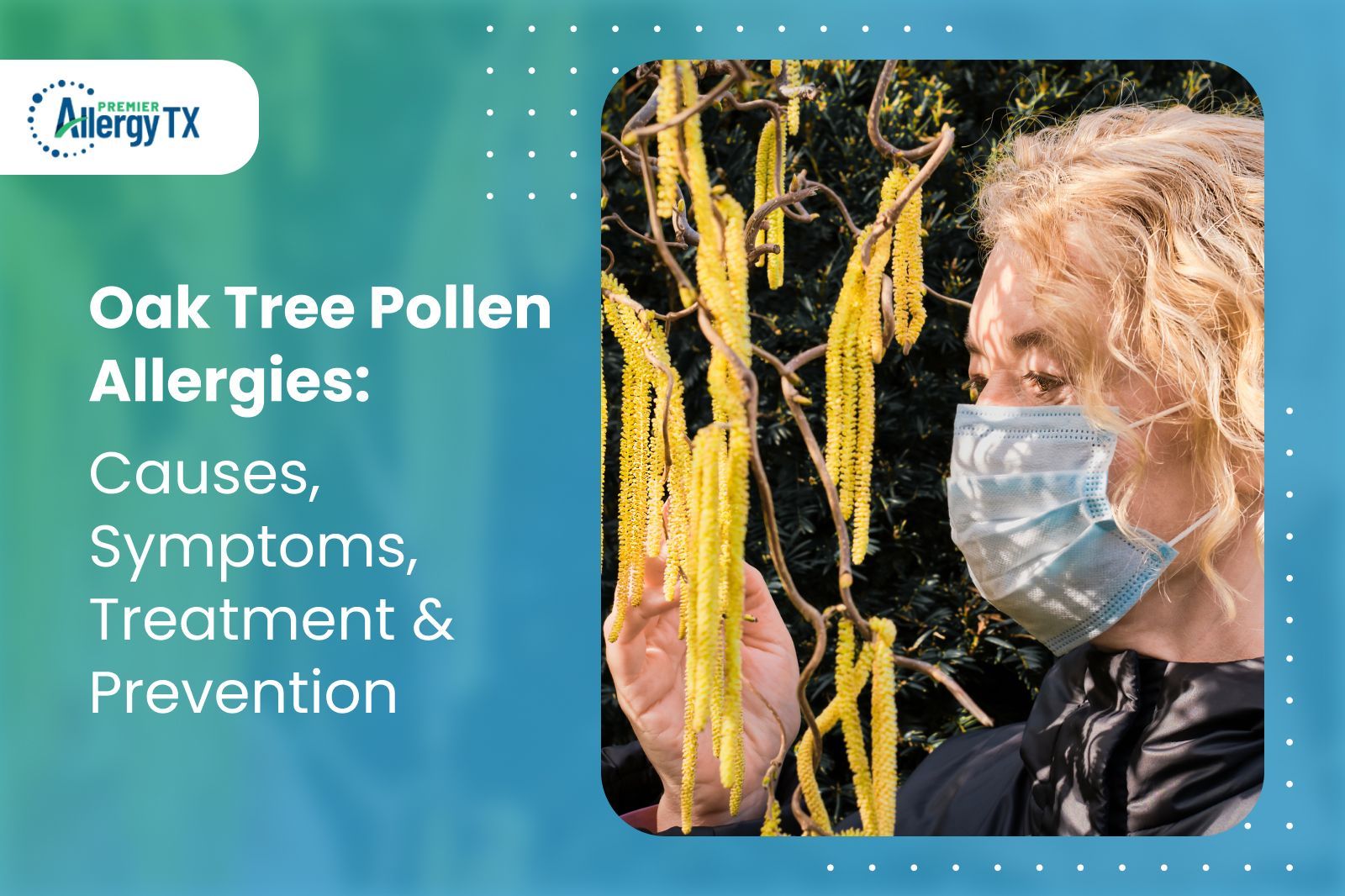
Spring allergies, clinically known as allergic rhinitis, can range from mildly annoying to genuinely disruptive to daily life. Symptoms typically include:
- Frequent sneezing, especially in the morning
- Runny or stuffy nose
- Itchy, watery, or red eyes
- Postnasal drip and throat irritation
- Sinus congestion and facial pressure
- Fatigue (often underestimated, chronic inflammation is exhausting)
- Worsening asthma symptoms in those with both conditions
One important distinction: spring allergy symptoms tend to persist for weeks or months, whereas a cold typically resolves within 7–10 days. If your symptoms keep coming back every spring, that's allergic rhinitis, not repeated bad luck with colds.
Spring Allergy Season in Texas: What Patients Should Know
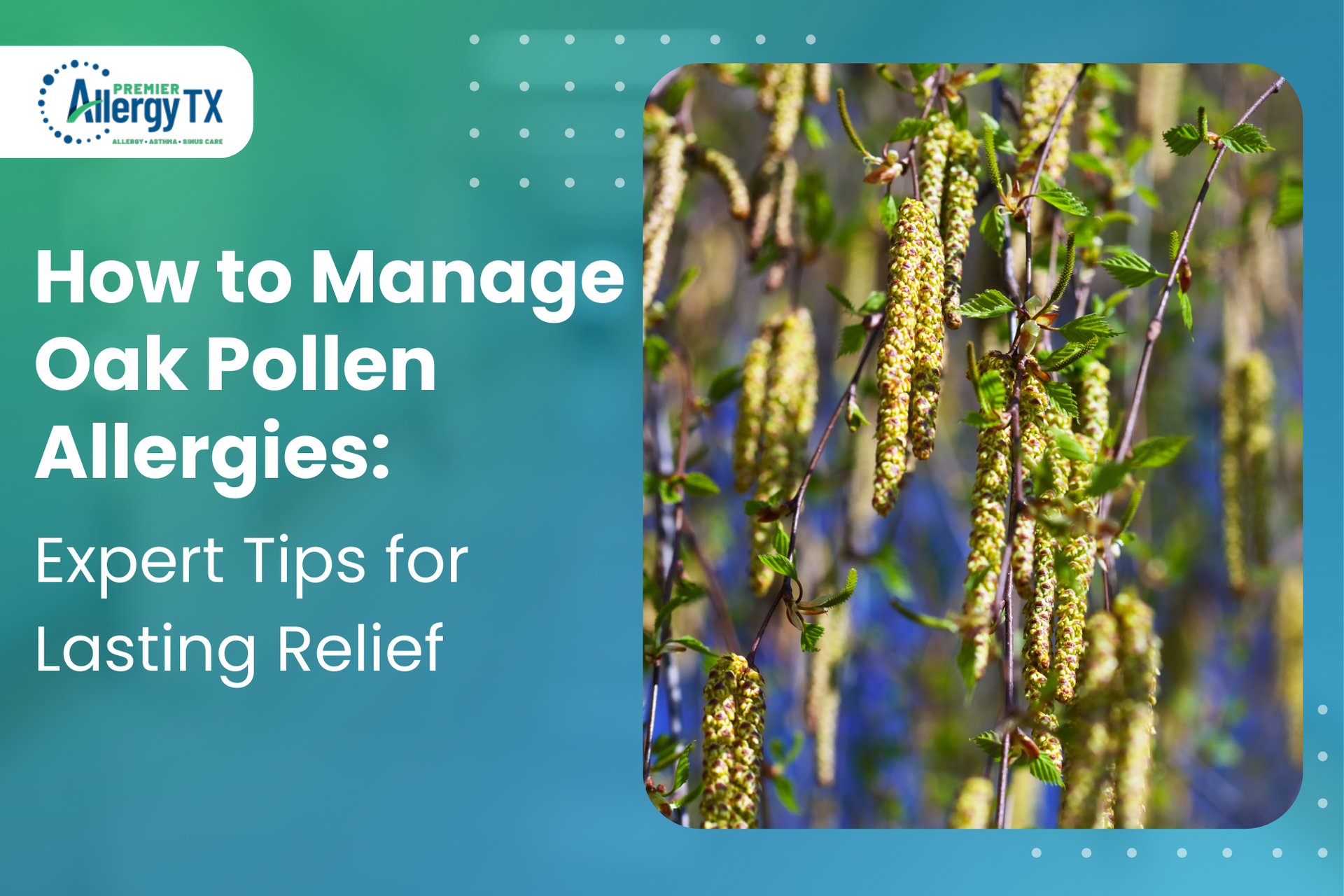
Texas pollen season doesn't follow the traditional April–May window most people expect. Thanks to the warm climate, tree pollen can start circulating as early as February, with oak, ash, and elm trees among the first and most prolific offenders in Central and South Texas.
By March and April, grass pollen joins the mix, and San Antonio and the surrounding Hill Country consistently rank among the highest-pollen cities in the country, according to the Asthma and Allergy Foundation of America.
Key things Texas allergy sufferers should track this spring:
- Oak pollen peaks from March through April and is one of the most common triggers in the region. We've covered it in depth in our San Antonio allergy alert guide.
- Grass pollen follows closely behind, peaking in May through June.
- Mold spores spike after spring rains, a factor often overlooked by patients who think they're "only allergic to pollen."
- Wind plays a huge role. Dry, windy days send pollen counts soaring; rainy days provide temporary relief.
Tips to Reduce Allergy Exposure
You can't stop pollen, but you can significantly reduce how much of it reaches your airways. These strategies make a real difference:
- Check daily pollen counts before heading outside. The American Academy of Allergy, Asthma & Immunology offers a national pollen tracking database.
- Keep windows and doors closed on high-pollen days and use air conditioning instead.
- Shower and change clothes after spending time outdoors, as pollen clings to hair, skin, and fabric.
- Limit outdoor activity between 5–10 a.m., when pollen counts are typically highest.
- Use HEPA air filters in your bedroom and main living areas.
- Wear wraparound sunglasses outdoors to reduce eye exposure.
- Avoid hanging laundry outside to dry during peak season.
These measures won't eliminate symptoms entirely, but combined with the right treatment, they can dramatically reduce your daily pollen load.
Treatment Options for Spring Allergies
Over-the-counter antihistamines and nasal sprays help many patients manage mild symptoms. But if you're reaching for Claritin every day and still suffering, it's time to think about longer-term solutions.
Allergy immunotherapy, either through allergy shots or allergy drops, works by gradually desensitizing your immune system to the specific allergens triggering your symptoms. Unlike medications that only mask symptoms, immunotherapy targets the underlying cause. Many patients experience lasting relief even after completing treatment.
For patients with both allergic rhinitis and hay fever-related symptoms, a personalized treatment plan from an allergist makes a meaningful difference in quality of life.
When to See an Allergy Specialist
If any of the following describes your situation, it's time to book an appointment with an allergy specialist rather than continuing to self-manage:
- Symptoms last more than a few weeks and disrupt sleep or daily activities
- Over-the-counter medications provide little to no relief
- You're taking antihistamines daily for months at a time
- Allergy symptoms are triggering or worsening asthma
- You experience sinus infections repeatedly each spring (a sign of poorly controlled sinusitis)
- You want a long-term solution, not just seasonal symptom management
An allergist can identify your specific triggers through skin or blood testing and design a treatment plan that goes beyond just managing symptoms season to season.
How Premier Allergy of Texas Can Help
At Premier Allergy of Texas, we specialize in diagnosing and treating the full spectrum of allergy and asthma conditions, including the notoriously aggressive Texas spring pollen season. Whether you're dealing with oak pollen, grass allergies, sinus congestion, or allergic rhinitis, our team offers personalized care built around your specific triggers and lifestyle.
From allergy testing to immunotherapy to biologics for more complex cases, we have treatment options that go well beyond the pharmacy aisle. Ready to stop surviving spring and actually enjoy it?
Conclusion
Spring allergy season in Texas is intense, but it's also predictable, manageable, and in many cases, treatable at the source. The key is to stop reacting and start preparing. Track the pollen, reduce your exposure, explore your treatment options, and if symptoms are affecting your quality of life, don't wait until mid-April when every allergist in San Antonio has a packed schedule.
Get ahead of the season. Your sinuses will thank you.
Frequently Asked Questions
What is the worst month for allergies in Texas?
March and April are typically the peak months due to high oak and elm pollen, but grass pollen extends the season well into June for many patients.
Can seasonal allergies develop later in life?
Yes. It's entirely possible to develop seasonal allergies as an adult, even if you've never had them before. Changes in the environment, immune function, and prolonged exposure can all contribute to it.
Is there a cure for seasonal allergies?
There's no complete cure, but immunotherapy, i.e., allergy shots or drops, can produce long-lasting desensitization for many patients, significantly reducing or eliminating symptoms over time.
What's the difference between allergic rhinitis and sinus congestion?
Allergic rhinitis is an immune-mediated response to allergens, causing inflammation of the nasal passages. Sinus congestion can be a symptom of this, but chronic sinus congestion that leads to repeated infections may indicate sinusitis, which requires separate evaluation and management.