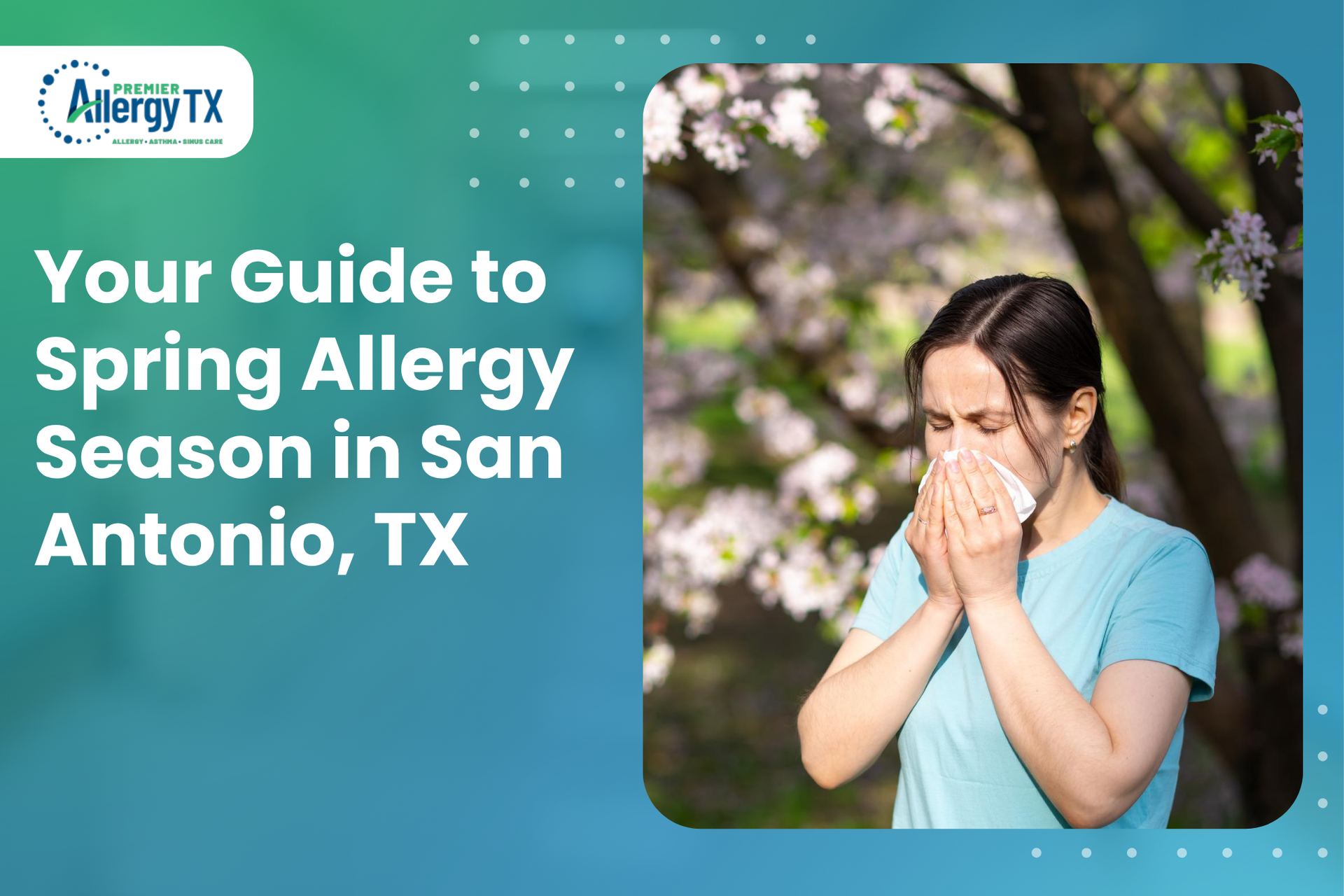
Spring is supposed to feel refreshing, full of sunshine, blooming trees, and longer days. But for many Texans, it comes with a surprise guest: oak pollen. Suddenly, the season you look forward to becomes a minefield of sneezes, itchy eyes, and endless sniffles.
It’s easy to dismiss these symptoms as just a lingering cold or “seasonal sniffles,” but oak pollen is a major trigger that often goes unnoticed. Its tiny airborne particles can cause big reactions, leaving even healthy, active people struggling day after day.
The good news? You don’t have to spend every spring feeling miserable. At
Premier Allergy of Texas, we help patients identify their triggers and build personalized treatment plans so you can finally enjoy the season with clear eyes, easy breathing, and more energy.
End Your Oak Pollen Allergy Struggles
What Makes Oak Pollen So Aggressive?
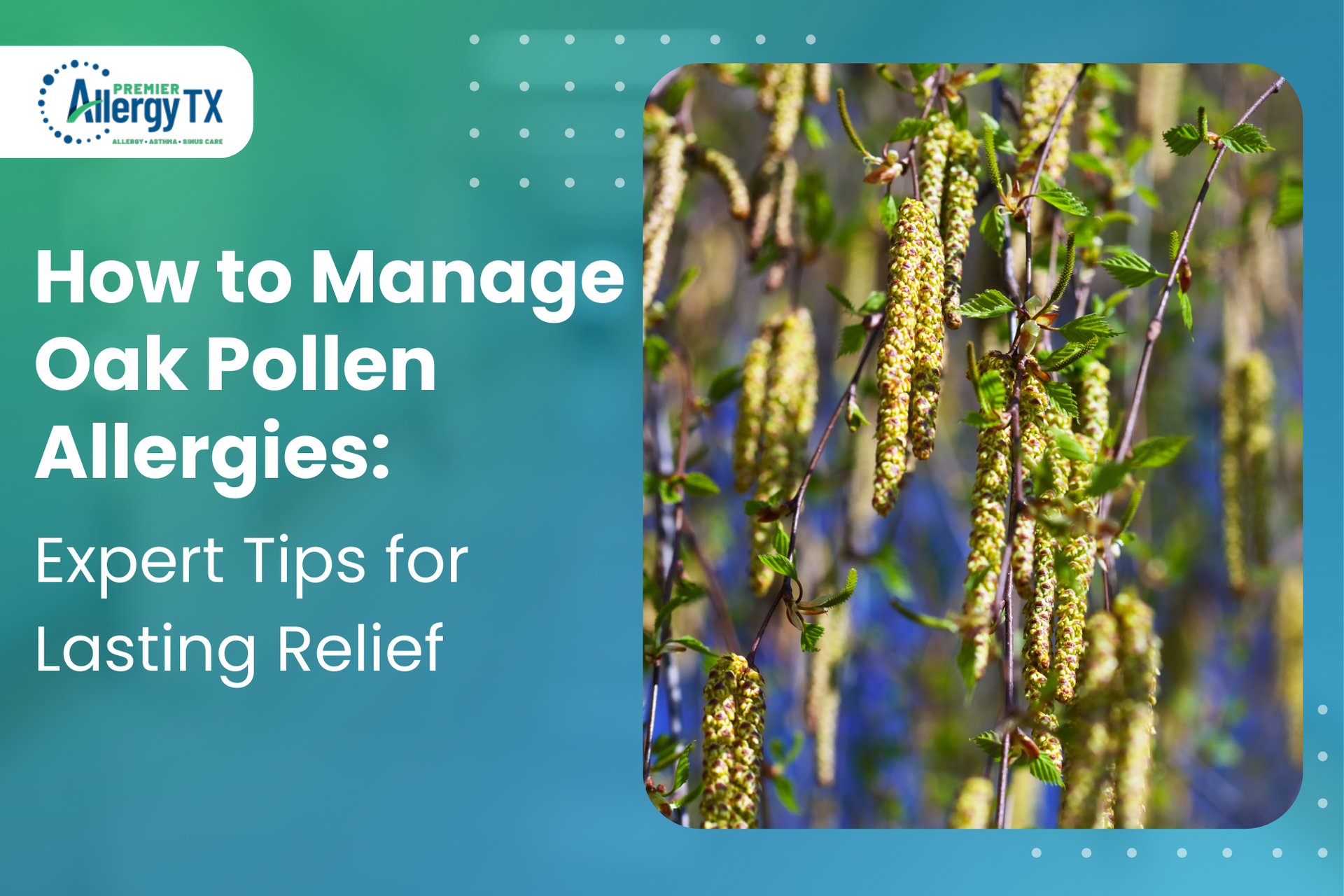
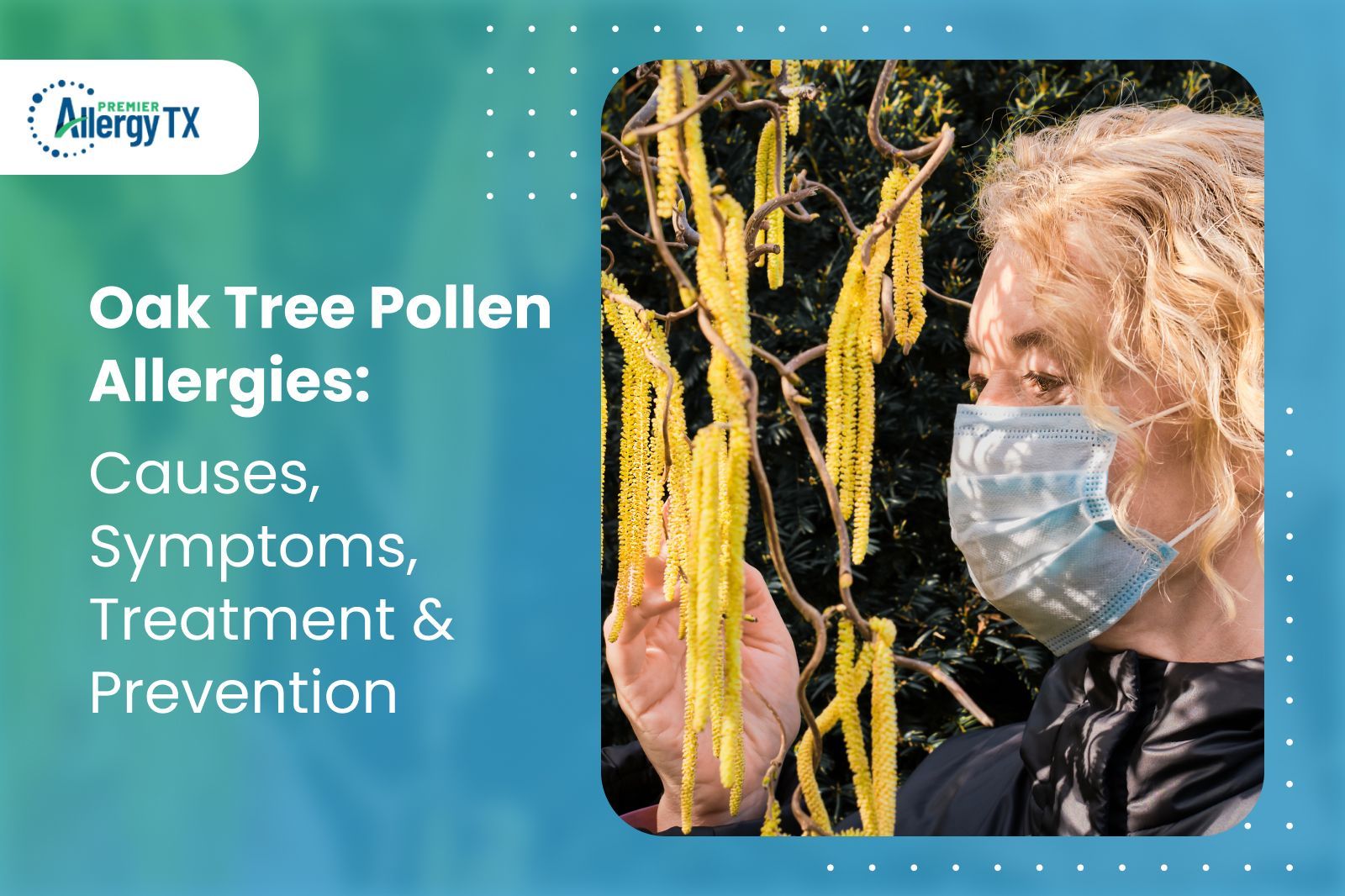
Oak pollen is one of the most powerful triggers of spring allergies. Each year, oak trees release massive amounts of tiny pollen grains to reproduce, and for oak allergy sufferers, that can mean constant sneezing, itchy eyes, and congestion.
In Texas, mild winters and abundant oak trees create early and prolonged
oak pollen seasons. This leads to longer exposure and stronger reactions compared to other allergens.
Key reasons oak pollen hits hard:
- Oak trees release massive amounts of pollen each spring
- Tiny pollen grains travel far on the wind, especially in dry climates
- Texas’ climate and tree density create heavier exposure
- Immune reactions to oak pollen often feel more intense than other allergens
Common Oak Pollen Allergy Symptoms
Spring sniffles can be confusing, but
oak pollen allergies have clear patterns that set it apart from a cold or sinus infection.
You may have an oak pollen allergy if you experience:
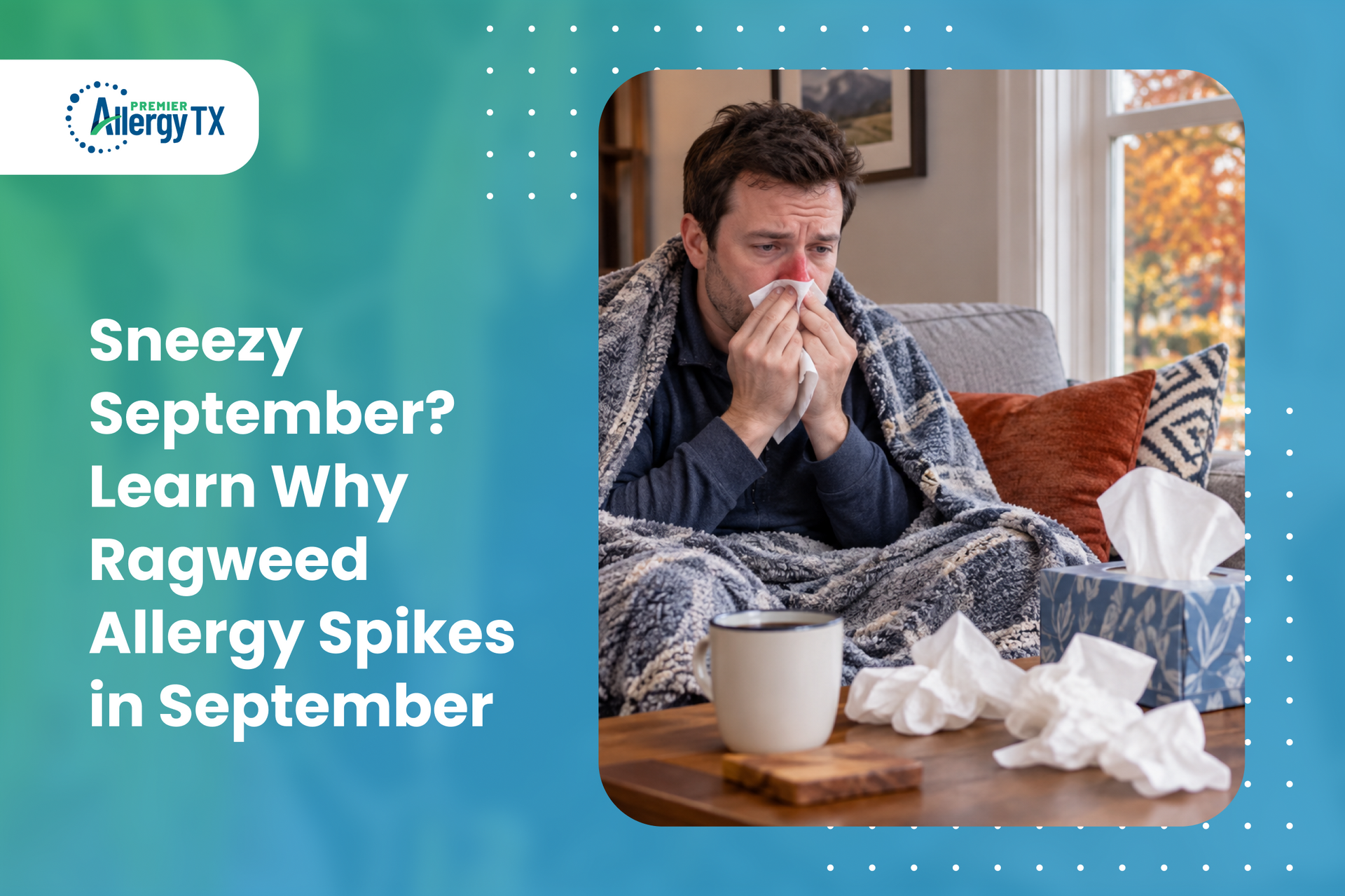
- Recurring symptoms each spring :
sneezing, congestion, or itchy eyes appear around the same time every year
- Worse outdoors or in the morning:
pollen counts spike early, and time outside can trigger flare-ups
- Symptoms that last for weeks:
persistent runny nose, watery eyes, or congestion
What Triggers or Worsen Oak Tree Pollen Allergies?
Even when you follow a routine to manage allergies, certain factors can trigger flare-ups. Knowing what triggers your reactions helps you plan ahead and reduce exposure.
Outdoor triggers:
- High pollen days :
Dry, sunny days often carry the most oak pollen.
- Windy weather :
Pollen travels farther and spreads faster when the wind picks up.
- Yard work or mowing :
Being close to trees and grass stirs up pollen and increases exposure.
Indoor triggers:
- Clothes, hair, and pets :
Pollen can hitch a ride inside, keeping symptoms alive even indoors.
Lifestyle factors:
- Spending extended time outdoors
– Long walks, sports, or gardening can lead to higher pollen exposure and stronger reactions.
Being aware of these triggers gives you more control over your environment and helps keep allergy flare-ups in check.
The Real Reason Your Allergy Meds Aren’t Working
It’s frustrating when allergy medications don’t seem to help. Many oak allergy sufferers assume an antihistamine will solve the problem, but relief often feels temporary.
Common mistakes that reduce effectiveness:
- Taking meds too late :
Waiting until symptoms peak can make it harder for medications to work.
- Using the wrong medication type :
Different symptoms require different treatments, and one size doesn’t fit all.
- Inconsistent use :
Skipping doses or using medications sporadically limits their ability to control symptoms.
Medications help temporarily, but they don’t train your body to tolerate pollen over time. Understanding this opens the door to solutions that provide long-term relief and let you enjoy the season.
How to Actually Manage Oak Pollen Allergies
Managing oak pollen allergies takes more than just an antihistamine. Combining strategies that reduce exposure, control symptoms, and prevent flare-ups makes a big difference.
A. Control Your Environment
Reduce contact with pollen wherever you can:
- Keep windows closed during peak oak pollen hours
- Shower after outdoor activities
- Use air purifiers or HEPA filters indoors
- Change clothes after being outside
B. Use Medications the Right Way
Medications work best when used consistently and correctly:
- Antihistamines for sneezing, itching, and a runny nose
- Nasal sprays for congestion and inflammation
- Decongestants for short-term relief
C. Build a Daily Prevention Routine
Stay ahead of your oak pollen allergy symptoms with small daily habits, such as:
When to See an Allergy Specialist
Sometimes, managing oak pollen allergies on your own isn’t enough. Knowing when to seek professional care can help you get relief faster and prevent your symptoms from interfering with daily life.
You should consider
seeing an allergy specialist if you notice any of these signs:
- Symptoms persist despite OTC medications:
Sneezing, congestion, or itchy eyes don’t improve even with regular treatment.
- Severe or worsening symptoms:
Reactions are stronger than usual or start to interfere with your routine.
- Asthma complications:
Allergy triggers worsen breathing issues or cause asthma flare-ups.
- Sleep disruption or reduced quality of life:
Nighttime congestion or persistent symptoms affect energy, focus, or mood.
Visiting a specialist offers benefits that over-the-counter solutions can’t match:
- Accurate diagnosis:
Identify the exact allergens causing your symptoms.
- Personalized treatment plan:
Receive a tailored approach, including medications, immunotherapy, or lifestyle strategies designed for you.
Seeking expert care ensures you’re not just managing symptoms—you’re targeting the root cause and setting yourself up for long-term relief.
Long-Term Treatment Options for Lasting Relief
If oak allergies keep taking over your life, temporary fixes only go so far. For lasting relief, understanding your triggers and retraining your immune system is key.
Allergy testing identifies the exact allergens causing your symptoms, so treatment targets the real problem.
Immunotherapy, available as shots or drops, gradually trains your immune system to tolerate allergens. Over time, your body stops overreacting to pollen, reducing symptoms and flare-ups.
Why it works differently:
- Temporary relief:
Medications mask symptoms while you’re exposed.
- Long-term solution:
Immunotherapy addresses the root cause, giving lasting relief and fewer seasonal flare-ups.
This approach breaks the cycle of seasonal suffering. Instead of just coping each spring, you take control and experience clearer breathing, fewer reactions, and a more enjoyable allergy season.
Break Free from Seasonal Struggles
Spring allergies shouldn’t control your life, and suffering every year is not “normal.” Oak pollen may be a powerful trigger, but with the right strategies, proper medications, and personalized care, you can reduce symptoms and finally enjoy the season.
The first step is simple: get tested, understand your triggers, and create a plan that works for you. At
Premier Allergy of Texas, our experts help patients design personalized allergy treatments that provide lasting relief. Schedule your allergy testing today and enjoy a spring season you can actually enjoy.
Experience Lasting Relief from Oak Pollen Allergies
Frequently Asked Questions
Why do allergy symptoms sometimes appear indoors even when windows are closed?
Pollen can attach to clothing, shoes, hair, and pets, traveling indoors. Even a short exposure to the outdoors can worsen symptoms inside your home.
Can diet or hydration affect oak pollen allergy severity?
Staying hydrated may help thin mucus and reduce congestion. Some foods with natural anti-inflammatory properties, like ginger or turmeric, may support overall comfort, though they don’t replace treatment.
Are people with asthma more affected by oak pollen?
Yes. Oak pollen can worsen asthma symptoms, trigger attacks, or increase airway sensitivity. Managing both allergies and asthma together is essential.
Do oak pollen allergies get worse with repeated exposure each year?
Sensitivity can increase over time. Repeated exposure may cause stronger immune reactions, making yearly symptoms more intense.