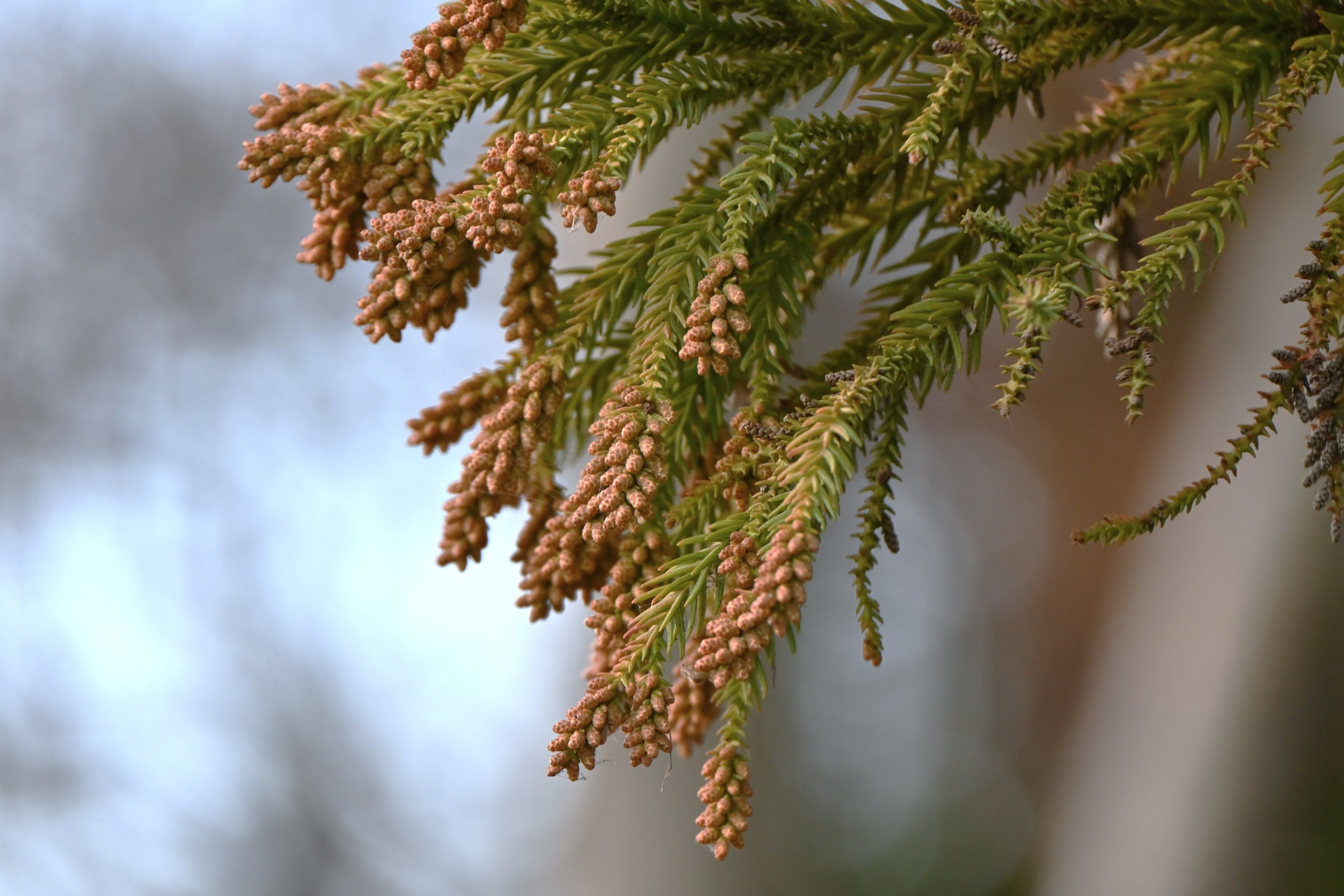
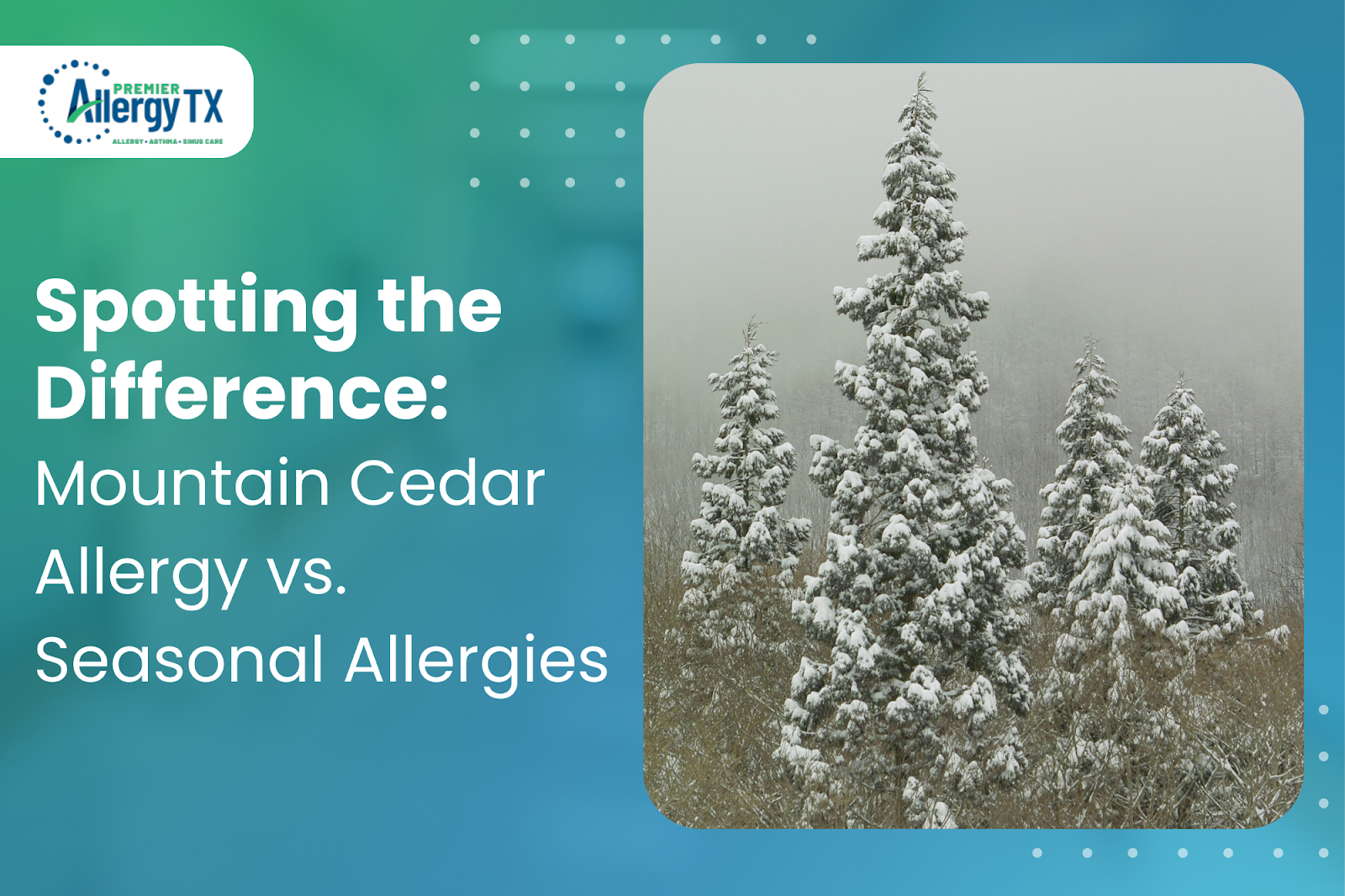
Mountain cedar season hits Texas hard every year, running from late December through February and peaking in January. For many allergy sufferers, it brings sneezing, itchy eyes, congestion, and even asthma flare-ups. This tree’s pollen can make daily life—work, errands, and sleep—much harder to manage.
Cedar pollen doesn’t just irritate your nose and eyes. It can leave you coughing, fatigued, and struggling to enjoy the magic of the winter months. Seasonal allergies like these can quickly impact your overall quality of life if you’re not prepared.
So let’s make your cedar season game plan! By understanding the season and taking proactive steps, you can reduce exposure and breathe easier. This guide will show you how to get ahead of the mountain cedar season and stay comfortable all winter long.
Overcome Mountain Cedar Season Year After Year
Understand Your Risk
Mountain cedar season affects everyone differently, so it’s important to know your personal risk. These groups are more likely to experience severe symptoms:
- People with seasonal allergies:
If you react to other pollen, cedar can hit harder.
- Asthma patients:
Cedar pollen can trigger flare-ups.
- Children and the elderly: More sensitive immune systems can result in stronger reactions.
Watch for early signs like sneezing, itchy eyes, congestion, coughing, or fatigue. Remember, cedar pollen can linger indoors on clothing, hair, and surfaces, so symptoms may persist even at home.
Understanding your risk and recognizing early
cedar allergy symptoms lets you act quickly, keeping you comfortable all season long.
Monitor Pollen Levels
After understanding your risk, the next step is to track cedar pollen levels. Monitoring counts helps you plan your day and reduce exposure, keeping winter activities more comfortable.
Reliable resources include:
Knowing the pollen count can guide your outdoor plans, helping you:
- Avoid errands or exercise when pollen is high.
- Schedule outdoor activities for low pollen times.
- Keep windows closed in cars and homes during peak hours.
Prepare Your Home
Tracking pollen counts is helpful, but you can still encounter significant amounts of cedar pollen indoors. Taking steps to reduce indoor exposure can make a big difference in managing symptoms throughout the day.
Here are some practical ways to keep your home pollen-free:
- Keep windows and doors closed
during peak pollen hours.
- Use HEPA filters in your HVAC system or portable air purifiers to trap airborne pollen.
- Wipe down surfaces like countertops, tables, and shelves regularly to remove pollen that settles indoors.
- Shower and change clothes after spending time outside to avoid bringing pollen into your home.
- Limit outdoor clothing or shoes in living areas (consider a dedicated area for coats and shoes near the door).
Protect Yourself Outdoors
Even with a pollen-proof home, spending time outside can trigger
cedar fever, so minimizing exposure is key to staying comfortable during peak season.
Simple habits can make a big difference:
- Wear sunglasses and hats to protect your eyes and keep pollen out of your hair.
- Use a mask, especially on days when pollen counts are high, to reduce inhalation.
- Rinse your eyes with saline drops if you’ve been exposed to pollen.
- Plan outdoor activities wisely. Avoid mornings and midday, when cedar pollen is usually at its peak.
By taking these precautions, you can enjoy outdoor time without constantly battling sneezing, itchy eyes, or congestion. Even small steps like wearing sunglasses or timing your walks can make cedar season much more manageable.
Update Your Care Plan
Even with careful planning, some people still struggle with cedar allergies. If practical steps aren’t enough to manage your symptoms, you should have a clear plan B: your medical needs.
- Over-the-counter allergy medications like antihistamines, decongestants, and nasal sprays provide quick relief.
- Consult a specialist
if symptoms persist—prescription treatments can offer stronger control.
- Allergy shots (immunotherapy)
gradually desensitize your immune system, reducing symptoms over time.
Visit an
allergy clinic like Premier Allergy of Texas for consultations, testing, and personalized treatment plans, all designed to help you stay comfortable all season. Early guidance ensures you’re prepared before cedar pollen peaks.
Lifestyle and Self-Care Tips
Along with home and medical preparations, simple lifestyle habits can provide cedar
allergy relief and support your immune system during peak season.
- Stay hydrated – water helps keep nasal passages clear.
- Eating a clean diet – fruits, vegetables, and anti-inflammatory foods can ease symptoms.
- Get enough sleep – rest strengthens your immune system, making it less reactive.
- Exercise indoors on high pollen days – stay active without exposure.
These small daily steps complement treatments and precautions, helping you stay more comfortable throughout cedar season.
Don’t Let Cedar Pollen Ruin Your Cozy Season
You don’t have to let mountain cedar pollen control your winter. By knowing your risk, keeping tabs on pollen levels, protecting your home, and combining smart medical and lifestyle strategies, you can stay comfortable, active, and energized throughout the winter season. Small, proactive steps, including the right allergy treatment, can make a big difference in your daily management of pollen allergies.
Take action before the pollen season peaks. Schedule your allergy consultation at Premier Allergy of Texas today. Don’t wait for symptoms to slow you down. With the right preparation, you can breathe easier, enjoy the season, and reclaim your winter.
Don’t Let Cedar Pollen Win
Frequently Asked Questions
How early should I start medical preparations for cedar season?
It’s best to start treatments, such as allergy medications or consultations, 4–6 weeks before peak season, so your body is better prepared when pollen levels rise.
Can diet really help with cedar allergy symptoms?
Certain anti-inflammatory foods, like leafy greens, berries, and omega-3-rich foods, may help reduce overall inflammation and support your immune system during allergy season
Is there a way to test my home for cedar pollen buildup?
Yes. Some allergy specialists offer pollen sampling or advice on monitoring indoor air quality, helping you identify hotspots and take action
Why do some people react more severely than others?
Individual sensitivity varies due to genetics, existing conditions like asthma, and past exposure. Early preparation is key for those at higher risk.