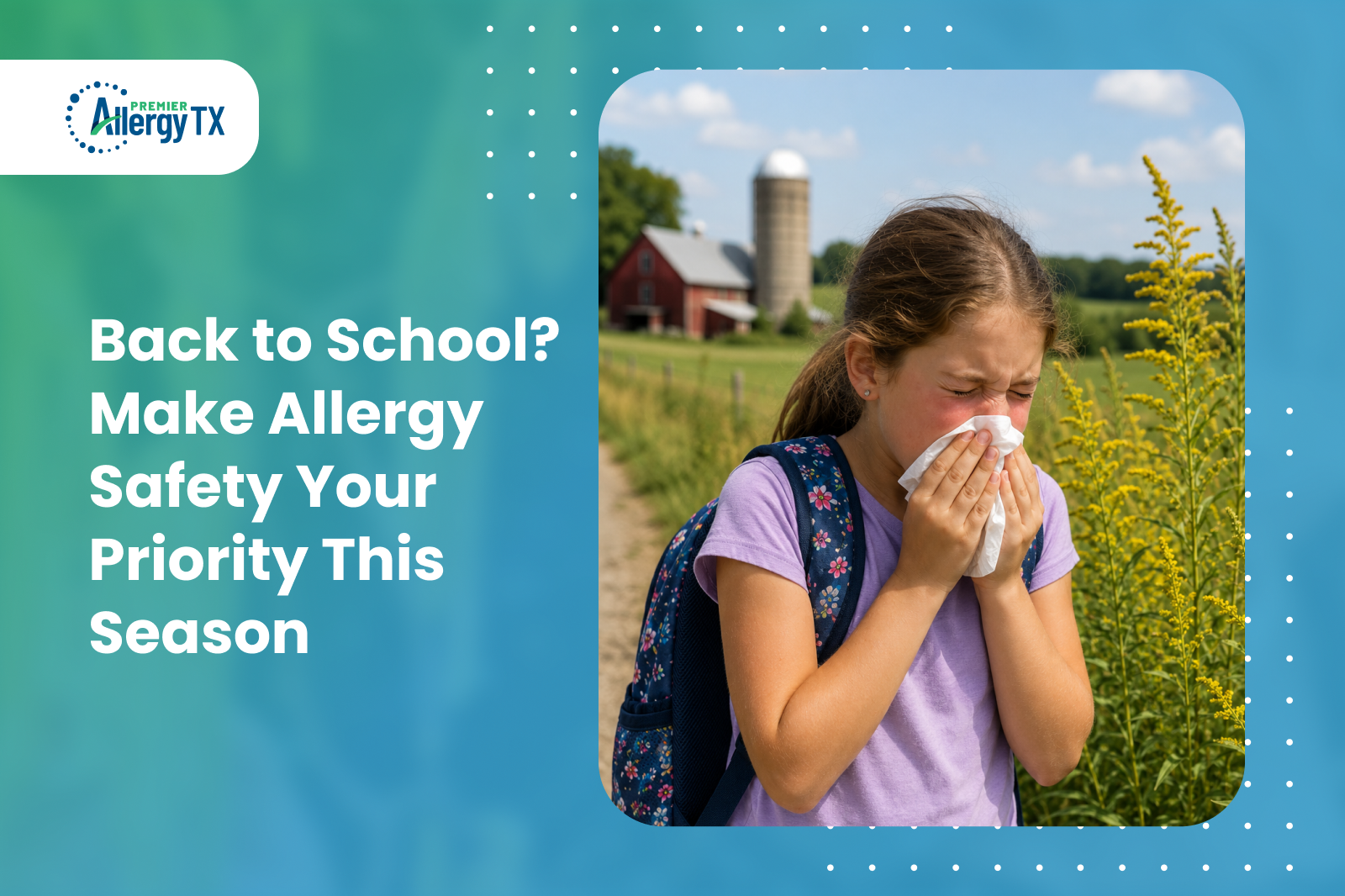
Tomorrow's the big day: your child’s first day of second grade. Backpack's packed, name tags are on, pencils are sharpened. But have you checked whether she's ready for pollen season?
Texas happens to be one of the tougher states for outdoor pollen allergies, thanks to its geography and climate. That's exactly why it's worth taking a few precautions before your kids head back to the classroom.
Why Precautions Help
Living with allergies isn't fun for anyone. Sneezing fits and itchy eyes during the first week of school can turn an exciting time into a miserable one.
A little preparation ahead of time makes that first week (and the rest of the season) a lot easier on your child and everyone around them.
What Should Parents Watch For Before Sending Kids Back?
A new school year means new environments, and new environments mean new exposure: dust, pollen, unfamiliar foods, and more. That makes it worth arming your kids with the right tools and information for the hours they're on their own. You can find more on prevention in our recent
blog on Asthma and Allergy.
It also helps for parents to understand what triggers allergic reactions in the first place and how to plan around them.
The Most Common Triggers and Allergens
According to the AAAAI, the usual suspects include:
- Dust mites
- Mold
- Chalk dust
- Animal dander
- Pollen
Your child probably isn't reacting to all of these. To find out which ones affect them, book an appointment with an allergist or immunologist.
Talk to Your Child's Teachers
A quick conversation with school staff early in the year should be at the top of your Back-to-School Allergy Checklist, as it goes a long way toward keeping your child safe and comfortable.
- Let them know about any existing conditions your child has.
- Ask about the school's health protocols. Is there a nurse on-site? Does any paperwork or consent form need to be filled out beforehand? How far is the nearest hospital or clinic?
- Ask teachers to keep windows closed when possible to reduce exposure to pollen and other airborne triggers.
- Ask them to limit or avoid floor time, which reduces exposure to dust, bacteria, and other germs.
Get an Appointment With an Allergist
Talking to an allergist before the school year kicks off is one of the simplest ways to set your child up for a healthier year.
Managing Food Allergies at School
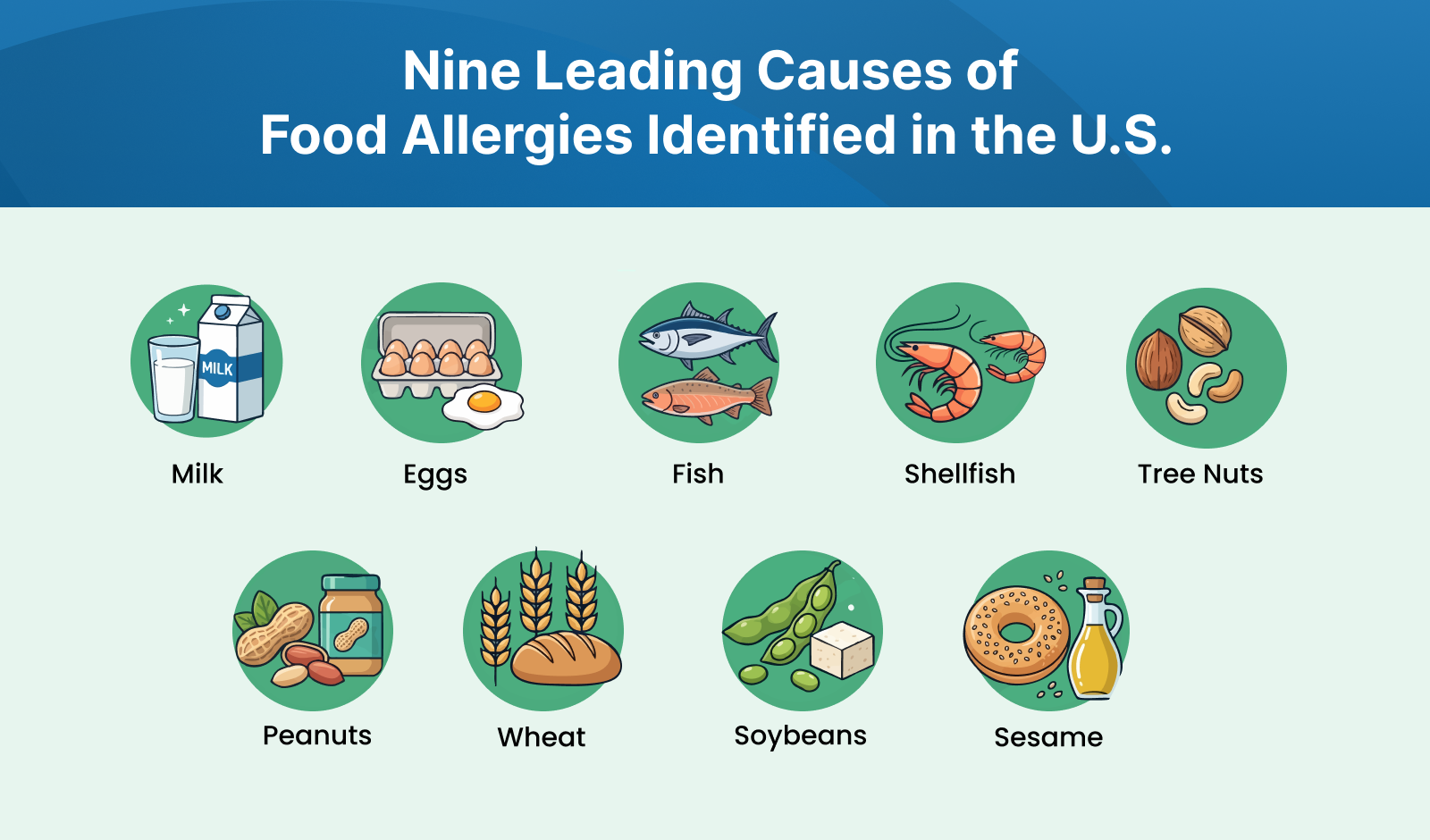
According to the U.S. Department of Agriculture, nine foods cause most
food allergies in the U.S.: milk, eggs, fish, shellfish, tree nuts, peanuts, wheat, soybeans, and sesame. These are everyday ingredients, which means they can show up in dishes where you'd least expect them.
Here's what helps:
Get a Proper Diagnosis
Skip the at-home testing kits. They're prone to false results. An allergist can give you an accurate diagnosis before your child suffers from school allergies, which matters far more than a quick guess.
Update Allergy Medications
If your child already takes allergy medication, check with your allergist to make sure it's still the right dose and the right fit before the school year starts.
Make Sure Your Child Understands Their Restrictions
The best way to prevent a bad situation is to teach your child what they can and can't eat, and why. Talk them through what happens if they slip up, and what the action plan looks like if they eat something they shouldn't. Heading into school with that knowledge makes a difference and should be done not just to complete the Back-to-School Allergy Safety Checklist but to make your child more independent around food.
Inform the School Thoroughly
Another important point to add to your back-to-school allergy checklist is to ensure school staff know in detail about any food allergies and have a clear action plan on hand. That plan should include:
- What treatment applies to which allergy
- Emergency contact information
Pack Their Lunch Yourself
If your child has known food allergies, packing their lunch yourself is often the safest way to control exactly what ends up on their tray.
Seasonal Allergies and Texas
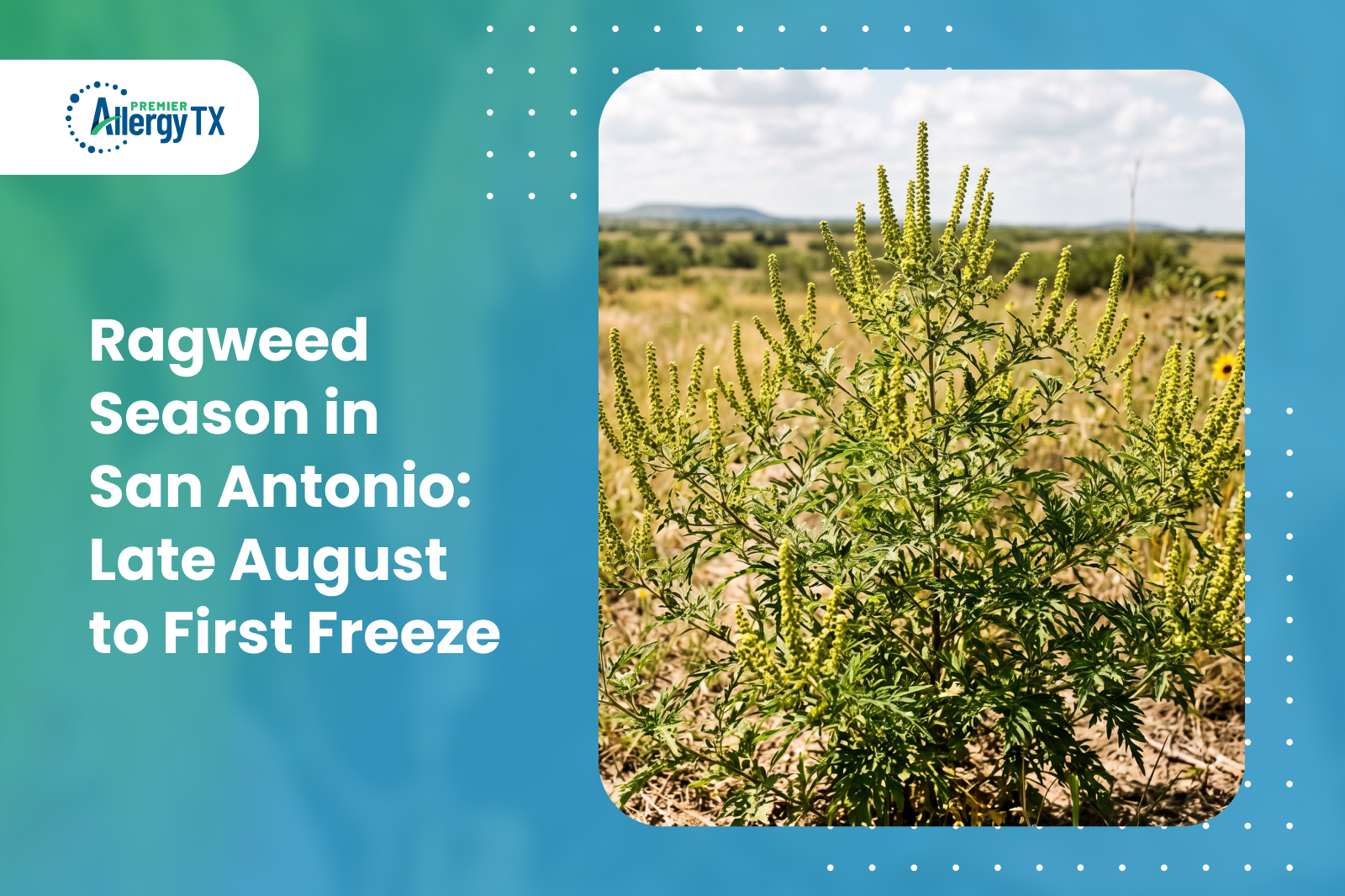
As fall approaches, ragweed pollen tends to spike across Texas, which makes this an important time to take preventive steps so kids don't end up sick right as school starts.
Allergies vs. a Cold
Allergies and colds can look similar on the surface, but colds usually clear up on their own. Back-to-school allergies tend to stick around and often need medication to manage.
Signs that point to allergies rather than a cold:
- Clear, watery nasal discharge that lingers for weeks
- Itchy, watery eyes
- Sneezing fits, often worse in the morning
- Dark circles under the eyes ("allergic shiners")
- No fever
Left untreated, these symptoms can interfere with sleep, focus, and school performance.
Preventing Seasonal Allergies Before School Starts
The best defense for back-to-school allergies is preparation, and that starts at home. A few habits worth building into your routine:
- Keep up with hygiene.
Washing hands, or showering when needed, after time outdoors helps keep allergens from following your child inside. Make sure they're clean before bed.
- Keep the house clean.
Regular cleaning of floors, clothes, and bedding reduces pollen buildup. Central air conditioning helps too, if it's an option.
- Wear a NIOSH-rated N95 mask
outdoors in grassy or high-pollen areas.
- Keep exercise on track
if your child has asthma or another respiratory condition, following your doctor's guidance rather than skipping activity altogether.
- Stay current on medication
if allergies are already part of the picture.
- Schedule a check-in with your allergist,
or
book one with Premier Allergy Texas
When to Contact a Healthcare Provider
See an allergy specialist if:
- Symptoms don't improve even after medication
- Your child has chest tightness, wheezing, trouble breathing, or a persistent cough, especially at night or after exercise
- Sneezing hasn't let up after two weeks of treatment
- Your child has a pre-existing condition like
asthma, diabetes, or a heart condition
- Your child shows any signs of anaphylaxis. Call emergency services immediately in that case.
Frequently Asked Questions
My child has been sneezing for a week despite medication. Should I see a doctor?
Yes. Under those conditions, it's worth getting checked out.
How do I know if my child has a food allergy?
Keep track of any skin reactions or digestive symptoms that seem tied to certain foods, then bring that information to an allergist for a proper diagnosis. You can reach out to us here
for a consultation.
Is my child's seasonal allergy contagious?
No. Seasonal allergies aren't contagious and can't be passed to another person. That said, sending a child to school with severe allergy symptoms usually isn't a pleasant experience for them, so it's worth managing symptoms before they head in.